
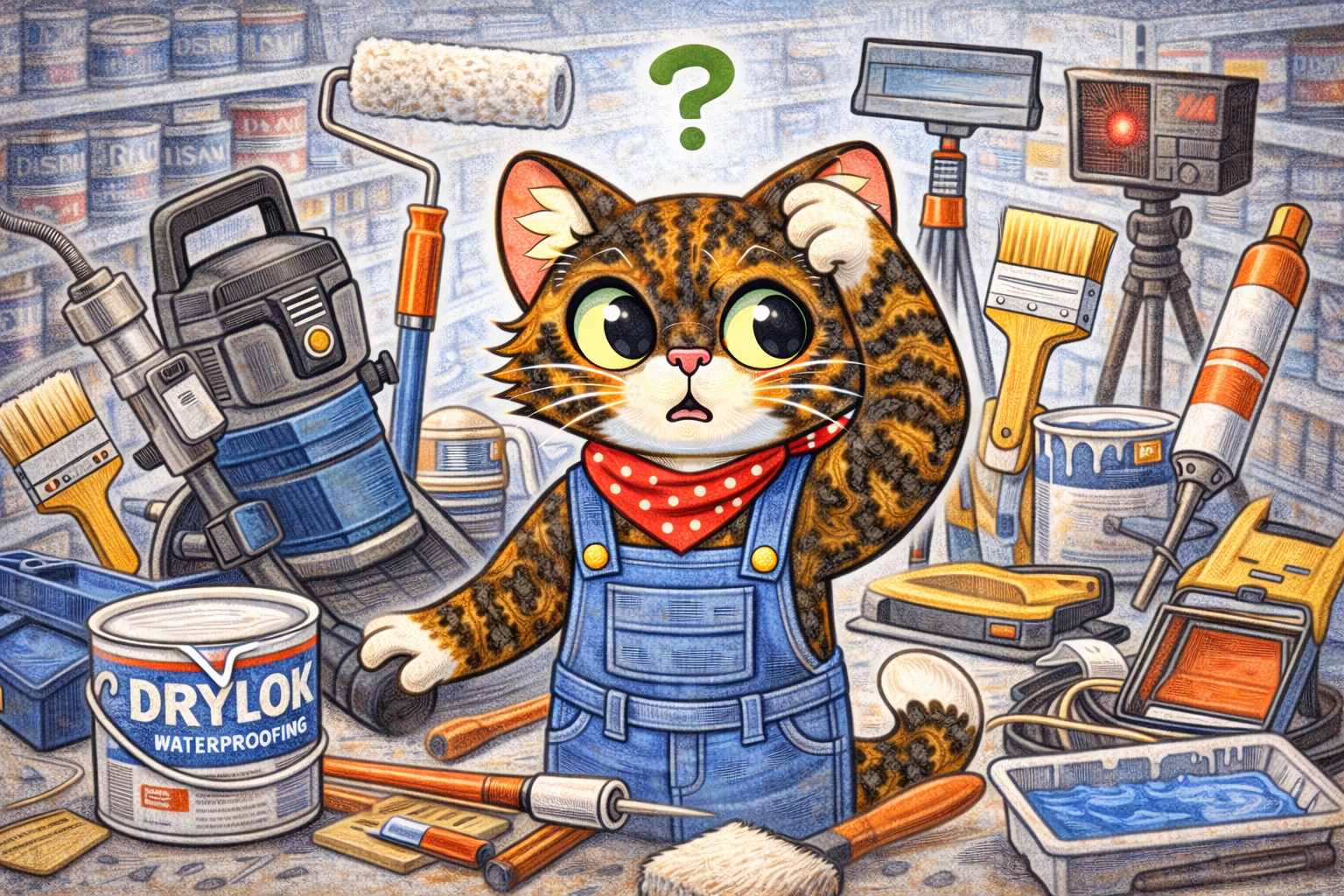
If you’ve ever walked through the paint aisle and felt like you needed everything just to paint one room, you’re not alone. Paint stores are amazing at making beginners feel underprepared — when in reality, most beginner projects need far fewer tools than you think.
Let’s learn this together: which tools beginners usually don’t need, why you can skip them, and what simpler options work just as well.
First, a Little Reassurance
You don’t need professional tools to get good results.
Most beginner painting problems come from:
- Rushing prep
- Using the wrong paint
- Skipping drying time
Not from missing a fancy tool.
Tools Beginners Often Buy (But Rarely Need)
Paint Sprayers
Paint sprayers look impressive… and they are useful — just not for most beginners.
Why beginners can skip them:
- Steep learning curve
- Lots of setup and cleanup
- Easy to overspray and make a mess
- Requires extra masking and protection
Use instead:
A roller and brush combo gives you more control and far less stress.
Extension Poles for Small Projects
Extension poles are great for large ceilings and tall walls — but they’re overkill for most beginner jobs.
Why you don’t need one yet:
- Can make rollers harder to control
- Not necessary for standard-height rooms
Use instead:
A regular roller handle until you’re tackling ceilings or large spaces.
Specialty Rollers (Textured, Patterned, Decorative)
These are tempting — but risky for beginners.
Why to skip them:
- Hard to fix mistakes
- Can exaggerate uneven paint
- Require extra skill and planning
Use instead:
A standard roller with the right nap for your wall texture.
Oversized or Pro-Level Brushes
Big brushes or ultra-expensive brushes won’t magically improve results.
Why they’re unnecessary at first:
- Harder to control
- Not ideal for detail work
- Easy to overload with paint
Use instead:
A couple of medium-quality brushes in useful sizes (you’ll use them way more).
Paint Can Pour Spouts and Gadgets
These gadgets promise mess-free pouring — but often create more mess.
Why you can skip them:
- Hard to clean
- Not always leak-proof
- Easy to pour carefully without them
Use instead:
Pour paint slowly into a tray and wipe the rim.
Laser Levels for Cutting In
Laser levels sound helpful, but they’re not needed for most beginner work.
Why they’re overkill:
- Cutting in improves with practice
- Paint lines don’t need to be mathematically perfect
- Adds setup time without much payoff
Use instead:
A steady hand, good lighting, and patience.
Tools Beginners Think They Need — But Don’t (Yet)
- Caulking guns for basic wall painting
- Commercial-grade sanding machines
- Professional scaffolding
- Industrial respirators for low-VOC interior paint
These tools have a place — just not at the beginning.
What Actually Matters More Than Extra Tools
If there’s one thing worth prioritizing, it’s this:
- Clean walls
- Proper prep
- The right brush or roller
- Quality paint for your project
Those four things matter far more than any fancy accessory.
A Simple Beginner Tool Rule
If you’re unsure whether you need a tool, ask yourself:
“Will this make painting easier… or just more complicated?”
If it adds steps, setup, or stress — you can probably skip it.
Final Thoughts
Painting doesn’t have to be complicated to be successful. You don’t need a garage full of tools or professional gear to get great results — just a few reliable basics and the confidence to start.
As you gain experience, you’ll naturally learn which tools are worth adding later. For now, simpler is better — and your project (and budget) will thank you.
Leave a Reply