
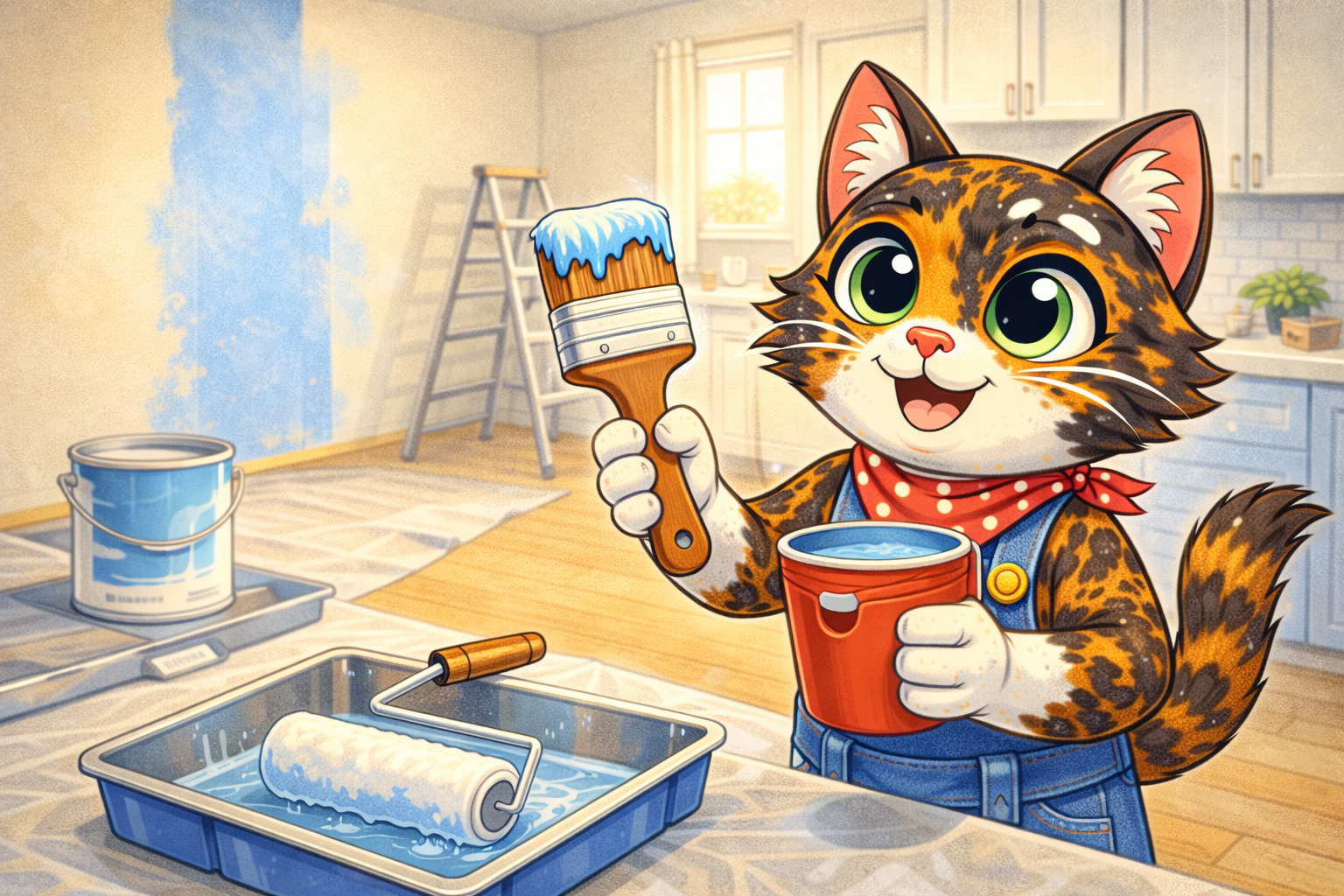
If you’re new to painting, it’s easy to assume paint is paint and the container doesn’t really matter. But once you’ve spilled a tray, overfilled a cup, or wrestled with a heavy bucket, you realize pretty quickly that the right paint holder can make or break your experience.
Let’s break down paint buckets, paint trays, and handheld paint cups in a simple, beginner-friendly way — and figure out when each one actually makes sense.
Paint Trays: The Classic Beginner Option
Paint trays are what most people picture when they think of painting — and for good reason.
What paint trays are best for:
- Small to medium wall projects
- 9-inch rollers
- Beginners learning roller control
Why beginners like them:
- Easy to use
- Inexpensive
- Simple to clean or line
Things to watch out for:
- Easy to tip if overfilled
- Can dry out quickly
- Not ideal for large rooms
Beginner tip:
Fill trays only halfway and always place them on a flat, protected surface.
Paint Buckets: Best for Bigger Jobs
Paint buckets (usually 1- or 5-gallon buckets) are great once projects get larger.
What paint buckets are best for:
- Painting entire rooms
- Large wall areas
- Long painting sessions
Why they’re useful:
- Hold more paint
- Reduce refills
- More stable than trays
Most painters pair buckets with a roller screen instead of a tray.
Beginner-friendly advice:
Buckets are great — but they’re heavier. Start small if you’re unsure.
Handheld Paint Cups: Perfect for Cutting In
Handheld paint cups are designed for brushes, not rollers.
What paint cups are best for:
- Cutting in around edges
- Trim and detail work
- Small touch-ups
Why beginners love them:
- Lightweight
- Easy to carry
- Less wrist strain
Many have built-in magnets or handles that keep things neat.
Which One Should You Use?
Here’s a simple way to decide:
- Painting walls with a roller? → Paint tray or bucket
- Painting a whole room? → Paint bucket + roller screen
- Cutting in or trimming? → Handheld paint cup
You don’t need all three for every project — just the one that fits what you’re doing.
Common Beginner Mistakes With Paint Containers
These happen all the time:
❌ Overfilling trays
❌ Carrying trays while loaded
❌ Using cups for too much paint
❌ Forgetting to cover paint during breaks
Small habits make a big difference.
Cleanup and Storage Tips
- Line trays with disposable liners
- Cover buckets tightly between coats
- Rinse cups immediately after use
- Don’t leave paint open longer than needed
Good cleanup keeps tools usable for future projects.
Final Thoughts
Paint buckets, trays, and cups might seem like small details — but choosing the right one makes painting smoother, cleaner, and way less frustrating. As a beginner, using the right container for the job helps you focus on learning how to paint instead of fighting spills and messes.
Once you’ve tried all three, you’ll naturally reach for the one that fits your project best.
FAQ
Quick answers to the most common beginner questions.
Not always. Many beginner projects can be completed using just one container, depending on the size of the job and whether you’re rolling or brushing.
Paint buckets work best for larger projects or when using a roller for extended periods. They hold more paint and require fewer refills than trays.
Paint cups are optional but very helpful for cutting in and trim work. They’re lightweight, easy to carry, and reduce the need to constantly move a tray.
Yes, as long as the paint is clean and free of debris. Straining the paint before pouring it back helps keep it usable.
A bucket with a roller screen or a tray with a disposable liner is the easiest way to reduce spills and mess.
Leave a Reply